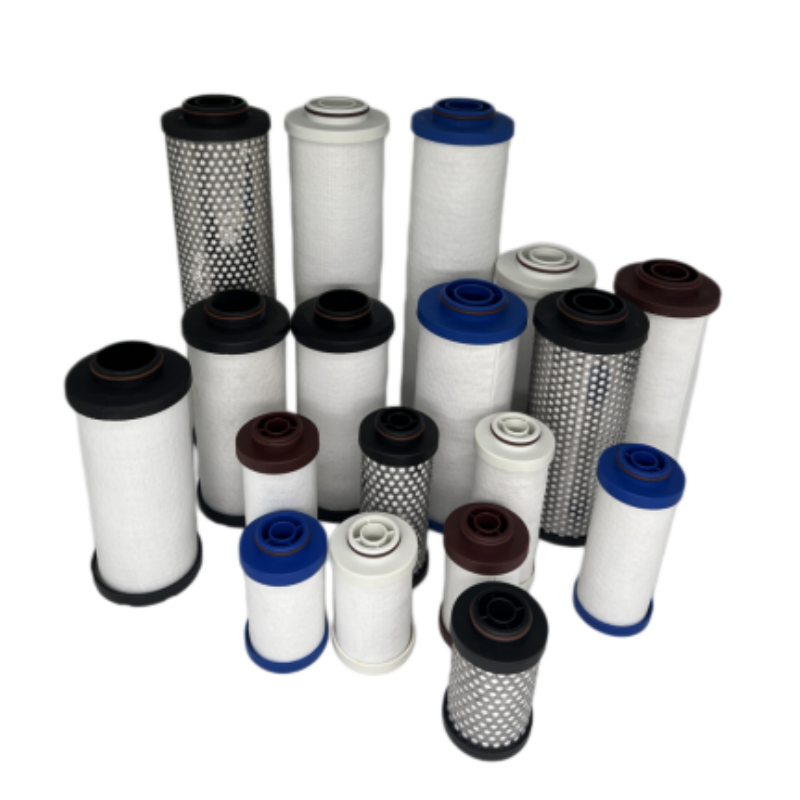
Is Air Filter Necessary on Air Compressor?
Is Air Filter Necessary on Air Compressor? Don’t Let Dirty Air Ruin Your Equipment
- Introduction: The Hidden Risk Most Air Compressor Users Ignore
- Is an Air Filter Really Necessary for Air Compressors?
- Core Functions of Air Compressor Air Filters
- What Happens If You Run an Air Compressor Without an Air Filter?
- Common Misunderstandings About Air Compressor Air Filters
- How to Choose and Maintain Air Compressor Air Filters Correctly?
- Conclusion: Small Filter, Big Protection for Your Air Compressor
Introduction: The Hidden Risk Most Air Compressor Users Ignore
If you own or operate an air compressor, you have probably asked this question many times: Is an air filter necessary on an air compressor? Many novice users and even small factory managers treat the air filter as an optional accessory, a trivial part that can be removed or replaced casually to save cost and time. Some users even run their air compressors without an air filter for months, thinking that open‑air operation will not cause any obvious problems.
But the truth is far from intuition. The air filter is the first line of defense for the entire air compressor system. It undertakes the task of blocking dust, debris, pollen, metal particles and industrial floating matter in the ambient air. Skipping or neglecting this small component will not lead to immediate shutdown failure, but it will continuously erode the core components of the air compressor, increase energy consumption, shorten service life, and even cause production shutdown losses. Today, we will thoroughly analyze why air compressors cannot work without air filters, and help every user avoid unnecessary equipment losses and operating costs.
Is an Air Filter Really Necessary for Air Compressors?
The Definitive Answer: Yes, It Is Indispensable
To put it simply, an air filter is 100% necessary for all types of air compressors, including screw air compressors, piston air compressors, portable small air compressors and industrial large‑scale air compressor units. Unlike oil filters and precision rear filters that focus on later purification, the intake air filter is responsible for filtering the raw air inhaled by the equipment.
The air in industrial workshops, construction sites and even ordinary indoor environments is never pure. It contains a large number of invisible suspended particles. When the air compressor works, it will inhale a huge amount of ambient air continuously. Without the protection of an air filter, all impurities will directly enter the inside of the equipment, triggering a series of chain failures. No matter how high‑end your air compressor is, it cannot resist the long‑term abrasion and pollution of unfiltered air.
Core Functions of Air Compressor Air Filters
1. Block Harmful Impurities and Protect Core Components
The most core function of the air intake filter is physical filtration. Industrial production environments are filled with dust, iron filings, sand particles, paint fog and other impurities. These tiny hard particles will enter the cylinder, rotor and bearing system of the air compressor with the air flow.
For screw air compressors, unfiltered particles will wear the rotor gap, cause rotor scratch and abrasion, and reduce the compression accuracy; for piston air compressors, dust will accelerate the wear of piston rings and cylinder walls, resulting in air leakage and insufficient pressure. The air filter effectively isolates these impurities, avoiding direct contact between hard particles and precision moving parts, and greatly reducing mechanical wear.
2. Prevent Oil Pollution and Extend Lubricating Oil Service Life
The lubricating oil of the air compressor is responsible for lubrication, heat dissipation and sealing. After unfiltered dust and impurities enter the equipment, they will mix with the lubricating oil to form oil sludge and dirty oil. The contaminated lubricating oil will lose its original lubricating and heat dissipation performance, leading to increased friction between components, rapid temperature rise of the equipment, and even local overheating.
At the same time, dirty oil will block the oil circuit and oil filter, increase the operating load of the equipment, and force users to replace the lubricating oil frequently. A qualified air filter can greatly reduce the mixing of impurities in the oil system, keep the lubricating oil clean for a long time, and extend the replacement cycle of lubricating oil and oil accessories, effectively saving daily maintenance costs.
3. Improve Compressed Air Quality and Guarantee Terminal Production
Most industrial production processes have strict requirements on compressed air quality. Spray painting, pneumatic tool operation, food processing, electronic manufacturing and other scenarios all need clean and dry compressed air. If the air compressor is not equipped with an air filter, the dust and impurities in the air will enter the gas storage tank and pipeline system with the compressed air, and finally reach the terminal production link.
Impurity‑containing compressed air will cause paint peeling and particle protrusion on the surface of sprayed products, lead to jamming and damage of precision pneumatic components, and even cause product contamination and unqualified quality, bringing huge economic losses to the enterprise. The air filter is the primary guarantee of compressed air quality, laying a foundation for the normal operation of subsequent precision filtration and drying equipment.
4. Reduce Energy Consumption and Improve Equipment Operating Efficiency
Many users ignore the energy‑saving effect of air filters. When the air filter is missing or fails, a large amount of impurities accumulate inside the equipment, resulting in increased internal friction of the air compressor and decreased compression efficiency. The equipment needs to consume more electric energy to reach the set air pressure, resulting in idle power consumption and increased production costs.
On the contrary, a complete and clean air filter can ensure smooth air intake of the equipment, maintain the optimal compression state of the air compressor, reduce operating load, and effectively reduce power consumption. For enterprises with long‑term continuous operation of air compressors, the energy‑saving benefits brought by qualified air filters are very considerable in the long run.
What Happens If You Run an Air Compressor Without an Air Filter?
1. Accelerated Equipment Aging and Frequent Failures
Long‑term operation without an air filter is equivalent to "chronic suicide" for air compressors. Continuous dust abrasion will lead to aging and damage of core components such as rotor, bearing and cylinder in advance. The equipment that should have a service life of 8‑10 years may have serious performance degradation in 3‑5 years, with frequent failures such as insufficient air pressure, loud noise and abnormal vibration.
Small failures will evolve into large mechanical faults if not handled in time, requiring costly component replacement and professional maintenance, which not only increases the maintenance cost, but also affects the continuity of production.
2. Blocked Pipeline System and Reduced Air Supply Efficiency
Impurities that enter the air compressor with the air will not only wear the host, but also accumulate in the gas storage tank, air pipeline and valve components for a long time. A large amount of dust and oil sludge deposits will narrow the pipeline diameter, block the air flow channel, and reduce the air supply speed and stability.
In severe cases, pipeline blockage will lead to unstable terminal air pressure, unable to meet the production and operation standards of pneumatic equipment, resulting in reduced production efficiency and delayed construction progress.
3. Increased Safety Hazards
Dust accumulation inside the air compressor will increase the operating temperature of the equipment. When a large amount of combustible dust accumulates in the high‑temperature operation area, there is a potential risk of dust explosion. In addition, equipment overheating caused by poor heat dissipation may trigger automatic shutdown, circuit burnout and other faults, bringing safety risks to on‑site operation and equipment use.
Common Misunderstandings About Air Compressor Air Filters
1. "The Environment Is Clean, So No Need for an Air Filter"
Many users think that the indoor environment is clean without obvious dust, so they can remove the air filter. In fact, even in clean indoor workshops, there are a large number of micron‑level suspended particles invisible to the naked eye. These tiny particles can easily enter the interior of precision equipment and cause cumulative wear. No working environment can provide 100% pure air, so air filters are essential in any scenario.
2. "The Air Filter Can Be Used Until It Is Completely Dirty"
Some users only replace the air filter when it is completely blocked and blackened. This is also a wrong operation. When the air filter is stained and blocked, the air intake resistance of the air compressor will increase, resulting in insufficient air intake, reduced compression efficiency and increased power consumption. Regular inspection and replacement of air filters are the key to maintain stable equipment performance, not waiting for complete failure.
3. "Low‑Price Universal Filters Can Replace Original Filters"
In order to save costs, many enterprises choose cheap inferior universal air filters. Inferior filters have low filtration precision, poor air permeability and short service life. They cannot effectively block tiny impurities, and are easy to deform and leak dust during use, which cannot play a protective role at all. On the contrary, unqualified filters will delay the maintenance of equipment and bring greater hidden dangers.
How to Choose and Maintain Air Compressor Air Filters Correctly?
1. Select a Filter Matching the Equipment Model
Different types and power of air compressors have different requirements for air filter specifications, filtration precision and air intake volume. Users need to select special filters matching the equipment model to ensure that the filtration efficiency meets the standard while ensuring smooth air intake, avoiding excessive resistance affecting equipment operation.
2. Regular Inspection and Timely Replacement
It is recommended to check the air filter state every 7‑15 days in industrial high‑dust environments, and clean the surface dust regularly. The replacement cycle of conventional air filters is 200‑500 hours of operation. In harsh environments such as construction sites and mining workshops, the replacement cycle needs to be shortened appropriately to ensure long‑term stable filtration performance.
3. Keep the Filter Installation Environment Clean
When installing the air filter, ensure that the air inlet is far away from heat sources, oil pollution and dust‑intensive areas. Keep the installation position ventilated and clean, which can effectively reduce the pollution speed of the filter, extend the service life of the filter, and reduce the frequency of equipment maintenance.
Conclusion: Small Filter, Big Protection for Your Air Compressor
After systematic analysis, the answer to "Is air filter necessary on air compressor" is clear and definite: The air filter is an indispensable core accessory of air compressors, and no air compressor can operate stably and efficiently without qualified air filter protection.
It is not a trivial optional part, but the key barrier to protect the host components, ensure air quality, save energy and reduce failure rates. A small air filter with low replacement cost can avoid expensive equipment maintenance, production shutdown losses and product quality problems for enterprises. For all air compressor users, paying attention to the maintenance and replacement of air filters is the most cost‑effective equipment management measure.
Don’t ignore small details and cause huge losses. Standardizing the use and maintenance of air filters is the first step to extend the service life of air compressors and improve production efficiency!
Recommended Air Compressor Filters
High‑Efficiency Intake Air Filter
Fit for screw air compressors, high dust workshop environment.
View DetailsPiston Compressor Air Filter Element
Durable filter media for small‑medium piston units.
View DetailsHeavy‑Duty Industrial Air Filter
For construction site & mining harsh working conditions.
View Details
How Does a Gas Air Compressor Work